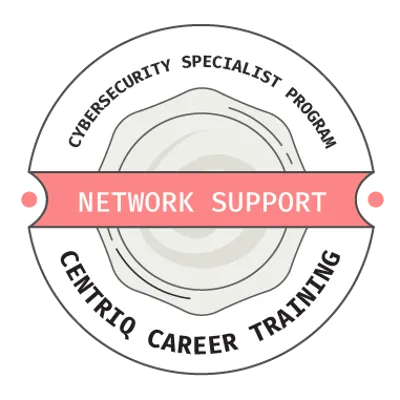
Training Badges
Network Support
Centriq IT
Cybersecurity Specialist Program
Completed Networking Fundamentals 1 and 2, including technical labs, troubleshooting scenarios, and assessments.
THE BUILDER / THE MISSION
Downum Cyber is Scott Downum’s independent home for ambitious technology systems, PC and hardware work, autonomous AI, command centers, advanced software, and cybersecurity engineering and research.
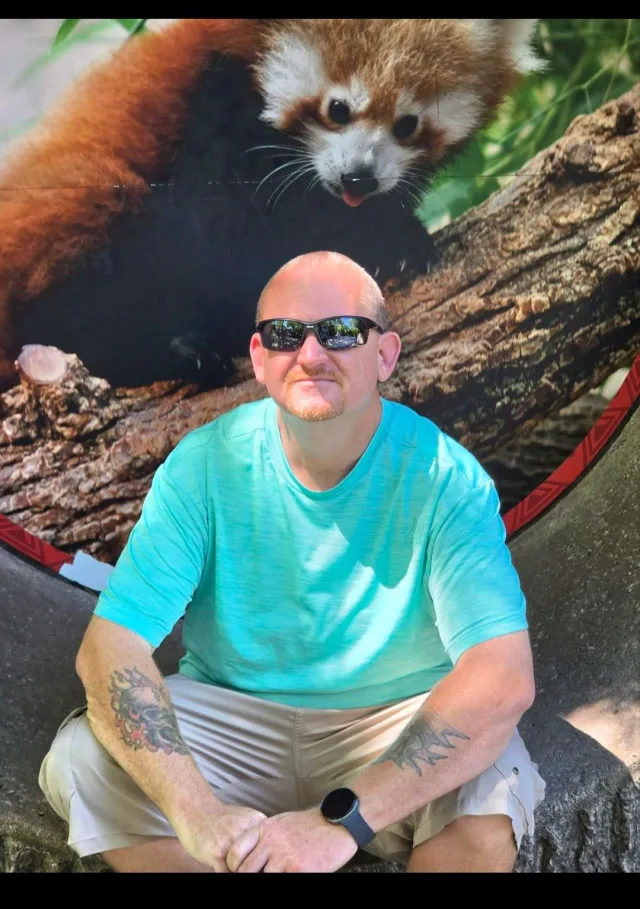
Founder / Builder
I'm Scott Downum, founder and builder of Downum Cyber, a cybersecurity student, and a hands-on technology enthusiast. I build practical technology systems, custom PCs, autonomous AI, command centers, and cybersecurity projects.
My background includes extensive customer-service and supervisory experience. I bring that same focus on listening, explaining clearly, and working through problems to technology.
I'm currently studying Cybersecurity at Centriq IT. I am still developing professionally; I do not claim certifications I have not earned, and professional cybersecurity services are not yet offered.
Downum Cyber brings together my interest in hardware, networking, security, automation, and AI. My goal is to learn by building, test what actually works, and document the failures as honestly as the successes.
RAGNAROK and Ruby are major projects, but they are not the whole story. My workstation, PC builds, research, experiments, and practical IT work all belong here.
I share public-safe architecture, engineering decisions, failures, fixes, and lessons without exposing private operations. Current capability, experiments, and future goals stay clearly separated.
Downum Cyber began with the work: designing systems, testing boundaries, building operational interfaces, documenting failures, proving recovery, and steadily turning architecture into operation.
RAGNAROK is the current flagship, but the brand is intentionally larger than one platform. Autonomous systems, command-center craft, practical technology, PC hardware, research, experimental builds, and future owner-approved projects each have a truthful place in the ecosystem.
Practical technology work is available now. Professional cybersecurity services are a long-term specialization under active development—not a capability the site claims to offer today.
EVIDENCE / EDUCATION / PROGRESS
Studying in Centriq IT’s Cybersecurity Specialist Program. Earned training milestones—not a claim of graduation or professional cybersecurity certification.
Training Badges
Centriq IT
Cybersecurity Specialist Program
Completed Networking Fundamentals 1 and 2, including technical labs, troubleshooting scenarios, and assessments.
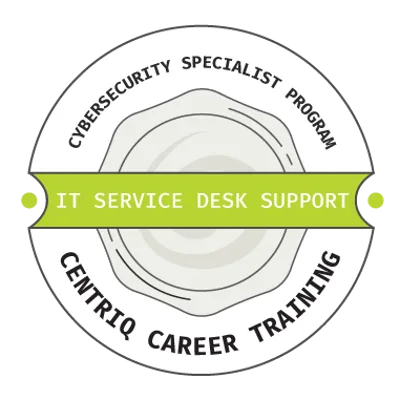
Training Badges
Centriq IT
Cybersecurity Specialist Program
Completed IT Service Desk Support 1 and 2, including ticket handling, customer service, troubleshooting, and technical documentation.
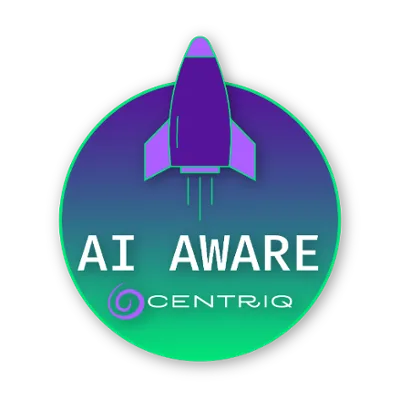
Training Badges
Centriq IT
Completed foundational AI literacy, data security, AI ethics, and responsible professional AI-use training.
WHY BUILD IN PUBLIC
The public story includes the process—not only polished outcomes. Milestones, architecture decisions, hardening work, research directions, interface experiments, failures, and honest capability boundaries reveal more than inflated marketing language ever could.
Private infrastructure remains private. Building in public means explaining the engineering without publishing an attack surface.